
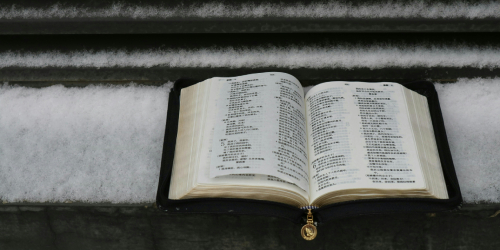
In our family relationships, we often find ourselves wrestling with emotions that could drive us apart. Conflict can trigger bitterness and resentment, making forgiveness seem like a difficult, if not impossible, task. But through the lens of the Bible, we see that forgiveness is not just a suggestion—it is a command. We are called to forgive as we have been forgiven. By embracing forgiveness, we can restore harmony and experience the peace that comes from letting go of past hurts. After all, our families are meant to reflect God’s love for us.
Colossians 3:13Ephesians 4:32“Bear with each other and forgive one another if any of you has a grievance against someone. Forgive as the Lord forgave you.” – Colossians 3:13
Matthew 6:14-15“Be kind and compassionate to one another, forgiving each other, just as in Christ God forgave you.” – Ephesians 4:32
Mark 11:25“For if you forgive other people when they sin against you, your heavenly Father will also forgive you. But if you do not forgive others their sins, your Father will not forgive your sins.” – Matthew 6:14-15
Luke 17:3-4“And when you stand praying, if you hold anything against anyone, forgive them, so that your Father in heaven may forgive you your sins.” – Mark 11:25
Seeking Guidance in Prayer“So watch yourselves. If your brother or sister sins against you, rebuke them; and if they repent, forgive them. Even if they sin against you seven times in a day and seven times come back to you saying ‘I repent,' you must forgive them.” – Luke 17:3-4
When facing conflicts with family, our first instinct might not be to pray. Yet, prayer is a powerful tool in bridging gaps and finding wisdom. It allows us to express our feelings and seek God’s guidance. We are reminded to cast our burdens onto Him and trust the solutions He provides. The Bible encourages us to pray without ceasing, assuring us that God hears every prayer. Let us bring our conflicts to Him, seeking resolution and peace in our families.
Philippians 4:6-7James 1:5“Do not be anxious about anything, but in every situation, by prayer and petition, with thanksgiving, present your requests to God. And the peace of God, which transcends all understanding, will guard your hearts and your minds in Christ Jesus.” – Philippians 4:6-7
1 Thessalonians 5:17“If any of you lacks wisdom, you should ask God, who gives generously to all without finding fault, and it will be given to you.” – James 1:5
Matthew 7:7“Pray continually.” – 1 Thessalonians 5:17
John 16:24“Ask and it will be given to you; seek and you will find; knock and the door will be opened to you.” – Matthew 7:7
Emphasizing Love Within the Family“Until now you have asked nothing in my name. Ask, and you will receive, that your joy may be full.” – John 16:24
In the midst of conflicts with family, we must remember the core principle that guides our relationships—love. The Bible teaches us that love is patient, kind, and never fails. It’s easy to focus on our differences or grievances, but focusing on love transforms how we perceive and interact with one another. Love is not a mere feeling; it’s an active choice, and we can choose to build bridges rather than walls, even in difficult circumstances.
1 Corinthians 13:4-71 John 4:19“Love is patient, love is kind. It does not envy, it does not boast, it is not proud. It does not dishonor others, it is not self-seeking, it is not easily angered, it keeps no record of wrongs. Love does not delight in evil but rejoices with the truth. It always protects, always trusts, always hopes, always perseveres.” – 1 Corinthians 13:4-7
Romans 13:10“We love because he first loved us.” – 1 John 4:19
1 Peter 4:8“Love does no harm to a neighbor. Therefore love is the fulfillment of the law.” – Romans 13:10
Ephesians 4:16“Above all, love each other deeply, because love covers over a multitude of sins.” – 1 Peter 4:8
Practicing Humility and Understanding“From him the whole body, joined and held together by every supporting ligament, grows and builds itself up in love, as each part does its work.” – Ephesians 4:16
Conflict often arises from misunderstanding or pride. The Bible calls us to humility, urging us to consider others before ourselves. When we approach family disagreements with an understanding heart, we open the door for healthier discussions and reconciliation. We should strive to listen actively and respond with grace, remembering that every family member has a unique perspective, and we can learn from each other.
Philippians 2:3-4Proverbs 18:13“Do nothing out of selfish ambition or vain conceit. Rather, in humility value others above yourselves, not looking to your own interests but each of you to the interests of the others.” – Philippians 2:3-4
James 4:6“To answer before listening— that is folly and shame.” – Proverbs 18:13
Proverbs 15:1“But he gives us more grace. That is why Scripture says: ‘God opposes the proud but shows favor to the humble.'” – James 4:6
Ephesians 4:2“A gentle answer turns away wrath, but a harsh word stirs up anger.” – Proverbs 15:1
Fostering Peace in Our Homes“Be completely humble and gentle; be patient, bearing with one another in love.” – Ephesians 4:2
Conflict resolution is not just about handling disputes; it's about intentionally fostering peace within our families. The Bible encourages us to be peacemakers, reminding us that peace brings joy and harmony. When we actively pursue peace, we create an atmosphere where love can thrive, and conflicts can be addressed constructively. Every step we take towards peace is like planting seeds of unity that will grow into a flourishing family dynamic.
Matthew 5:9Romans 14:19“Blessed are the peacemakers, for they will be called children of God.” – Matthew 5:9
Colossians 3:15“Let us therefore make every effort to do what leads to peace and to mutual edification.” – Romans 14:19
Hebrews 12:14“Let the peace of Christ rule in your hearts, since as members of one body you were called to peace. And be thankful.” – Colossians 3:15
Proverbs 12:20“Make every effort to live in peace with everyone and to be holy; without holiness no one will see the Lord.” – Hebrews 12:14
Respecting Authority in the Family“Deceit is in the hearts of those who plot evil, but those who promote peace have joy.” – Proverbs 12:20
In any family structure, respect for authority is essential. The Bible portrays the necessity of honoring our parents and those in leadership roles. This doesn’t mean we blindly follow, but rather we engage respectfully, valuing their guidance, especially during conflicts. Mutual respect creates an environment where open dialogue can happen, allowing conflicts to be resolved more harmoniously and fostering an atmosphere of love and care.
Ephesians 6:1Proverbs 1:8“Children, obey your parents in the Lord, for this is right.” – Ephesians 6:1
1 Peter 2:17“Listen, my son, to your father's instruction and do not forsake your mother's teaching.” – Proverbs 1:8
Proverbs 4:1“Show proper respect to everyone, love the family of believers, fear God, honor the emperor.” – 1 Peter 2:17
Colossians 3:20“Listen, my sons, to a father's instruction; pay attention and gain understanding.” – Proverbs 4:1
Learning to Communicate Effectively“Children, obey your parents in everything, for this pleases the Lord.” – Colossians 3:20
Conflicts arise often from poor communication. We must actively work to share our thoughts and feelings constructively. The Scriptures emphasize the importance of speaking the truth in love, which calls us to be honest while also being compassionate. By learning to communicate effectively, we can minimize misunderstandings and work together toward resolution and healing.
Ephesians 4:15Proverbs 25:11“Instead, speaking the truth in love, we will grow to become in every respect the mature body of him who is the head, that is, Christ.” – Ephesians 4:15
Proverbs 21:23“Like apples of gold in settings of silver is a ruling rightly given.” – Proverbs 25:11
James 1:19“Those who guard their mouths and their tongues keep themselves from calamity.” – Proverbs 21:23
Proverbs 15:28“My dear brothers and sisters, take note of this: Everyone should be quick to listen, slow to speak and slow to become angry.” – James 1:19
The Power of Unity“The heart of the righteous weighs its answers, but the mouth of the wicked gushes evil.” – Proverbs 15:28
Family conflicts can easily lead to division, which is contrary to God’s design for family. Unity is a principle depicted throughout the Scriptures and is essential for a loving family environment. We must strive to build each other up, support one another, and share our burdens. Working together in unity not only strengthens our bonds but also honors God’s vision for harmonious living.
Psalm 133:1Romans 15:5-6“How good and pleasant it is when God’s people live together in unity!” – Psalm 133:1
Philippians 1:27“May the God who gives endurance and encouragement give you the same attitude of mind toward each other that Christ Jesus had, so that with one mind and one voice you may glorify the God and Father of our Lord Jesus Christ.” – Romans 15:5-6
1 Corinthians 1:10“Whatever happens, conduct yourselves in a manner worthy of the gospel of Christ. Then, whether I come and see you or only hear about you in my absence, I will know that you stand firm in the one Spirit, striving together as one for the faith of the gospel.” – Philippians 1:27
Colossians 3:14“I appeal to you, brothers and sisters, in the name of our Lord Jesus Christ, that all of you agree with one another in what you say and that there be no divisions among you, but that you be perfectly united in mind and thought.” – 1 Corinthians 1:10
Final Thoughts“And over all these virtues put on love, which binds them all together in perfect unity.” – Colossians 3:14
As we reflect on Bible Verses About Conflict With Family, we recognize the transformative power of God’s word. It teaches us about forgiveness, the importance of humility, and the role of love and unity in our relationships. Navigating through family conflicts isn’t always easy, but with prayer and the guidance of scripture, we can find paths to resolution and healing.
We can actively work towards fostering peace in our homes, respecting authority, and communicating effectively with one another. By embodying the principles we’ve explored, we strengthen our families and exemplify God’s love in action. Every conflict can be an opportunity for growth, understanding, and deeper connections.
In the journey of faith and family, let us hold onto these principles to build stronger bonds and honor God in every interaction. Together, we can face any challenges that come our way with grace and compassion.
Who We AreWhat We EelieveWhat We Do
2025 by iamachristian.org,Inc All rights reserved.