
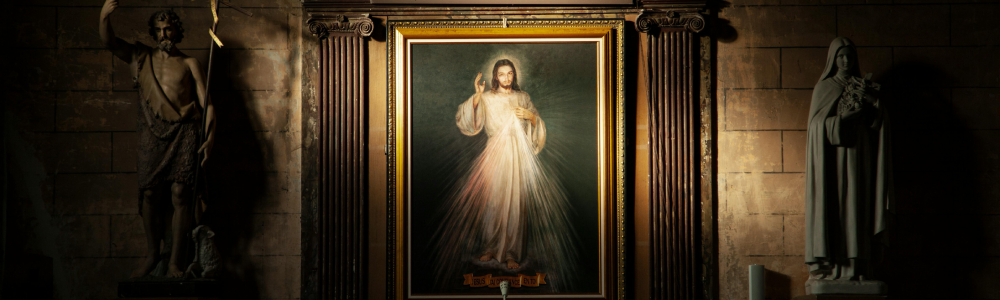
In our journey of faith, we realize that forgiveness is a powerful act that fosters restorative justice. It's about letting go of the burdens we carry when wronged and offering love and grace to those who have hurt us. When we practice forgiveness, we not only free ourselves but also contribute to healing our wounds and fostering peace in our community. Forgiveness is a reminder that we are all imperfect beings in need of grace, just as God forgives us.
Colossians 3:13Ephesians 4:32“Bear with each other and forgive one another if any of you has a grievance against someone. Forgive as the Lord forgave you.” – Colossians 3:13
Matthew 6:14-15“Be kind and compassionate to one another, forgiving each other, just as in Christ God forgave you.” – Ephesians 4:32
Luke 17:3-4“For if you forgive other people when they sin against you, your heavenly Father will also forgive you. But if you do not forgive others their sins, your Father will not forgive your sins.” – Matthew 6:14-15
Mark 11:25“So watch yourselves. If your brother or sister sins against you, rebuke them; and if they repent, forgive them. Even if they sin against you seven times in a day and seven times come back to you saying ‘I repent,' you must forgive them.” – Luke 17:3-4
Restoration Through Love“And when you stand praying, if you hold anything against anyone, forgive them, so that your Father in heaven may forgive you your sins.” – Mark 11:25
When we think about restorative justice, love stands out as the foundation of this beautiful principle. Love encompasses healing, compassion, and understanding. It encourages us to embrace those who have caused harm, allowing for transformation and growth. As we delve into our relationships with one another, let's focus on love, guiding our hearts toward reconciliation rather than resentment. Through love, we become agents of healing, creating a safe space for restoration.
1 John 4:7Romans 13:10“Dear friends, let us love one another, for love comes from God. Everyone who loves has been born of God and knows God.” – 1 John 4:7
Galatians 6:2“Love does no harm to a neighbor. Therefore love is the fulfillment of the law.” – Romans 13:10
John 13:34-35“Carry each other’s burdens, and in this way you will fulfill the law of Christ.” – Galatians 6:2
1 Peter 4:8“A new command I give you: Love one another. As I have loved you, so you must love one another. By this everyone will know that you are my disciples if you love one another.” – John 13:34-35
Restorative Justice in Community“Above all, love each other deeply, because love covers over a multitude of sins.” – 1 Peter 4:8
The idea of restorative justice isn’t just about individual relationships; it also extends to our communities. We all share a responsibility to uplift and restore those around us. This means seeking healing as a collective and working together to address injustices. As we reflect on our communal ties, we should also consider how our actions can either build or break our community. Being proactive in restoring justice strengthens our bonds and creates a more supportive environment for everyone.
Acts 3:19Isaiah 1:17“Repent, then, and turn to God, so that your sins may be wiped out, that times of refreshing may come from the Lord.” – Acts 3:19
Proverbs 21:15“Learn to do right; seek justice. Defend the oppressed. Take up the cause of the fatherless; plead the case of the widow.” – Isaiah 1:17
Micah 6:8“When justice is done, it brings joy to the righteous but terror to evildoers.” – Proverbs 21:15
Psalms 82:3“He has shown you, O mortal, what is good. And what does the Lord require of you? To act justly and to love mercy and to walk humbly with your God.” – Micah 6:8
The Power of Restitution“Defend the weak and the fatherless; uphold the cause of the poor and the oppressed.” – Psalms 82:3
Restorative justice often involves making amends, or restitution, to right the wrongs that have been done. This is about acknowledging the harm caused and taking steps to fix it or heal the relationship. Restitution requires courage and humility, as acknowledging our faults can be challenging. Yet, through this process, we demonstrate our commitment to justice and healing. The Bible encourages us to take these steps, emphasizing that our actions can lead to profound transformation.
Luke 19:8Exodus 22:1“But Zacchaeus stood up and said to the Lord, ‘Look, Lord! Here and now I give half of my possessions to the poor, and if I have cheated anybody out of anything, I will pay back four times the amount!'” – Luke 19:8
Proverbs 6:30-31“If anyone steals an ox or a sheep and slaughters it or sells it, they must pay back five head of cattle for the ox and four sheep for the sheep.” – Exodus 22:1
Leviticus 6:5“People do not despise a thief if he steals to satisfy his hunger when he is starving. Yet if he is caught, he must pay sevenfold, though it costs him all the wealth of his house.” – Proverbs 6:30-31
Matthew 5:23-24“or whatever it was they swore falsely about, they must make full restitution for the wrong they have done, add one-fifth to it and give it all to the owner on the day they present their guilt offering.” – Leviticus 6:5
Conflict Resolution Through Dialogue“Therefore, if you are offering your gift at the altar and there remember that your brother or sister has something against you, leave your gift there in front of the altar. First go and be reconciled to them; then come and offer your gift.” – Matthew 5:23-24
Engaging in conversations is essential for restorative justice. Dialogue provides a pathway to understanding differing perspectives, addressing grievances, and finding common ground. In our interactions with one another, we can create an environment that is welcoming to open communication, which fosters forgiveness and healing. God's Word encourages us to be peacemakers, and through dialogue, we can resolve conflicts and restore relationships that may have been damaged.
Matthew 18:15James 1:19“If your brother or sister sins, go and point out their fault, just between the two of you. If they listen to you, you have won them over.” – Matthew 18:15
Proverbs 15:1“My dear brothers and sisters, take note of this: Everyone should be quick to listen, slow to speak and slow to become angry.” – James 1:19
Philippians 4:5“A gentle answer turns away wrath, but a harsh word stirs up anger.” – Proverbs 15:1
2 Corinthians 5:18“Let your gentleness be evident to all. The Lord is near.” – Philippians 4:5
Healing and Restoration“All this is from God, who reconciled us to himself through Christ and gave us the ministry of reconciliation.” – 2 Corinthians 5:18
The journey toward restorative justice is undoubtedly a pathway of healing. Healing involves addressing pain and sorrow, learning from our experiences, and allowing for transformation. The Bible emphasizes that God is a healer, and through His grace, we can find restoration for ourselves and others. We need to embrace healing to restore relationships and build a brighter future together. In doing so, we create an inviting space for redemption and hope.
Psalms 147:32 Chronicles 7:14“He heals the brokenhearted and binds up their wounds.” – Psalms 147:3
Jeremiah 30:17“If my people, who are called by my name, will humble themselves and pray and seek my face and turn from their wicked ways, then I will hear from heaven and I will forgive their sin and will heal their land.” – 2 Chronicles 7:14
Isaiah 61:1“But I will restore you to health and heal your wounds,’ declares the Lord, ‘because you are called an outcast, Zion for whom no one cares.” – Jeremiah 30:17
Romans 15:13“The Spirit of the Sovereign Lord is on me, because the Lord has anointed me to proclaim good news to the poor. He has sent me to bind up the brokenhearted, to proclaim freedom for the captives and release from darkness for the prisoners.” – Isaiah 61:1
God's Vision for Justice“May the God of hope fill you with all joy and peace as you trust in him, so that you may overflow with hope by the power of the Holy Spirit.” – Romans 15:13
In our quest for restorative justice, we must recognize that God's vision for justice is rooted in righteousness and equity. God desires for us to pursue justice, mercy, and humility in our daily lives. Aligning our actions with His vision enables us to reflect His love and character to those around us. As we seek God's guidance, we learn how to champion fairness and compassion, leading us toward unity and restored relationships.
Isaiah 61:8Micah 6:8“For I, the Lord, love justice; I hate robbery and wrongdoing. In my faithfulness I will reward my people and make an everlasting covenant with them.” – Isaiah 61:8
Jeremiah 9:24“He has shown you, O mortal, what is good. And what does the Lord require of you? To act justly and to love mercy and to walk humbly with your God.” – Micah 6:8
Psalms 89:14“But let the one who boasts boast about this: that they have the understanding to know me, that I am the Lord, who exercises kindness, justice, and righteousness on earth, for in these I delight,” declares the Lord.” – Jeremiah 9:24
Isaiah 16:5“Righteousness and justice are the foundation of your throne; love and faithfulness go before you.” – Psalms 89:14
The Role of Humility“In love a throne will be established; in faithfulness a man will sit on it—one from the house of David—one who in judging seeks justice and speeds the cause of righteousness.” – Isaiah 16:5
Humility plays a vital role in the practice of restorative justice. By approaching others from a place of humility, we foster a genuine desire for understanding and reconciliation. This humility allows us to empathize with the perspectives of others and seek mutual healing. The Bible teaches us that putting aside our pride can lead to remarkable steps toward healing and restoration for all involved.
Philippians 2:3Proverbs 22:4“Do nothing out of selfish ambition or vain conceit. Rather, in humility value others above yourselves.” – Philippians 2:3
James 4:10“Humility is the fear of the Lord; its wages are riches and honor and life.” – Proverbs 22:4
Proverbs 15:33“Humble yourselves before the Lord, and he will lift you up.” – James 4:10
Matthew 5:5“Wisdom’s instruction is to fear the Lord, and humility comes before honor.” – Proverbs 15:33
Final Thoughts“Blessed are the meek, for they will inherit the earth.” – Matthew 5:5
As we conclude our exploration of bible verses about restorative justice, we realize that this powerful concept of healing, forgiveness, and reconciliation is woven throughout God’s Word. We have learned that through forgiveness, love, community engagement, and understanding, we can embark on a journey toward restoration. By committing to righteousness and humility, we strengthen our relationships and foster an environment of healing around us.
Let us always remember that restorative justice is not merely an action but a lifestyle—one that brings us closer to God and reflects His love for humanity. We are reminded of our responsibility to ourselves and others as we cultivate an atmosphere of compassion and mercy. May we continually seek God’s guidance in our journey of restorative justice.
Together, as we strive to embody these principles, we will come closer to living a life that honors God and uplifts those around us. Let us take these lessons to heart and spread the light of restorative justice in our communities and beyond.
Who We AreWhat We EelieveWhat We Do
2025 by iamachristian.org,Inc All rights reserved.