
-

- Curse - International Standard Bible Encyclopedia
CURSE kurs ('alah (Numbers 5:21,23,17, etc.), me'erah (Proverbs 3:33; Malachi 2:2, etc.), klalah (Genesis 27:12,13); katara (Galatians 3:10,13)): This word as noun and verb renders different Hebrew words, some of them being more or less synonymous, differing only in degree of strength. It is often used in contrast with "bless" or "blessing" (Deute
-
- Curtain - International Standard Bible Encyclopedia
CURTAIN kur'-t'-n, -ten, -tin: The word ordinarily used for curtain is yeri`ah. Thus in Exodus 26:1; 36:8 of the curtains of the tabernacle (see TABERNACLE); in 2 Samuel 7:2; Psalms 104:2; Song of Solomon 1:5; Isaiah 54:2; Jeremiah 4:20; 10:20; 49:29; Habakkuk 3:7. Figurative: In Isaiah 40:22 (like Psalms 104:2, of the heavens), the word used is
-

- Current Money - International Standard Bible Encyclopedia
CURRENT MONEY See MONEY, CURRENT. Copyright Statement These files are public domain. Bibliography Information Orr, James, M.A., D.D. General Editor. "Entry for 'CURRENT MONEY'". "International Standard Bible Encyclopedia". 1915.
-

- Cure; Cures - International Standard Bible Encyclopedia
CURE; CURES kur: Represents the words gahah, marpe', raphdh; therapeuo, iasis. Gahah in Proverbs 17:22 translated "medicine" means properly the removal of a bandage from a healed wound, and, is used figuratively in Hosea 5:13; marpe', "healing," is used in the sense of deliverance of the city in Jeremiah 33:6; with a negative particle in 2 Chronic
-

- Curious - International Standard Bible Encyclopedia
CURIOUS ku'-ri-us (machashebheth; periergos): The above Hebrew word, meaning "thought," "device," "design," is translated "curious," Exodus 35:32 the King James Version "curious works"; the English Revised Version "cunning"; the American Standard Revised Version "skilful"; cheshebh ("device," "devised work"), translated the King James Version "cur
-

- Cupboard - International Standard Bible Encyclopedia
CUPBOARD kub'-erd (kulikion, 1 Macc 15:32): A kind of sideboard in or on which Simon's gold and silver vessels were displayed, and which, among other evidences of his glory, amazed the Syrian envoy Athenobius. Compare the Roman abacus, said to have been introduced into Rome from Asia. Copyright Statement These files are public domain. Bibliography
-

- Curdle - International Standard Bible Encyclopedia
CURDLE kur'-dl (qapha', "to congeal," "harden," "curdle"): Occurs in Job 10:10, "Hast thou not .... curdled me like cheese?" i.e. made him take solid form. "The formation of the embryo is a mystery on which the Hebrew dwells with a deep and reverential awe: compare Psalms 139:13-16." These similes are often met with in the Koran and oriental poetr
-

- Cup - International Standard Bible Encyclopedia
CUP (Most frequently, koc; four other words in one passage each; poterion): A vessel for drinking from, of a variety of material (gold, silver, earthenware), patterns (Esther 1:7) and elaboration. Figurative: By ordinary figure of speech, put sometimes for the contents of the cup, namely, for that which is drunk (Matthew 26:39). In both Old Test
-

- Cupbearer - International Standard Bible Encyclopedia
CUPBEARER kup'-bar-er (mashqeh, "one giving drink"; oinochoos): An officer of high rank at ancient oriental courts, whose duty it was to serve the wine at the king's table. On account of the constant fear of plots and intrigues, a person must be regarded as thoroughly trustworthy to hold this position. He must guard against poison in the king's cu
-

- Cun - International Standard Bible Encyclopedia
CUN kun (kun, A, ek ton eklekton poleon, "from the chosen cities"): One of the cities of Hadarezer, king of Syria, spoiled by David (1 Chronicles 18:8, the King James Version "Chun"). In the parallel passage (2 Samuel 8:8) its place is taken by BEROTHAH, which see. Copyright Statement These files are public domain. Bibliography Information Orr, Ja
-

- Cunning - International Standard Bible Encyclopedia
CUNNING kun'-ing (chakham, chashabh): In Bible-English "cunning" means always "wise" or "skilful"; the word does not occur in the bad sense, and it is found in the Old Testament only. The chief Hebrew words are chakham, "wise," "skilful" (2 Chronicles 2:7 the King James Version "a man cunning to work in gold"; 2 Chronicles 2:13; Isaiah 3:3 the Kin
-
- Cummin - International Standard Bible Encyclopedia
CUMMIN kum'-in (kammon; kuminon): The seed of the herb Cuminum cyminum (Natural Order Umbelliferae). It has carminative properties and is used for flavoring various dishes, especially during fasts. In flavor and appearance it resembles caraway, though it is less agreeable to western palates. As an illustration of Yahweh's wisdom it is said (Isaiah
-

- Cumi - International Standard Bible Encyclopedia
CUMI koo'-me, ku'-mi. See TALITHA CUMI. Copyright Statement These files are public domain. Bibliography Information Orr, James, M.A., D.D. General Editor. "Entry for 'CUMI'". "International Standard Bible Encyclopedia". 1915.
-

- Cud - International Standard Bible Encyclopedia
CUD See CHEW. Copyright Statement These files are public domain. Bibliography Information Orr, James, M.A., D.D. General Editor. "Entry for 'CUD'". "International Standard Bible Encyclopedia". 1915.
-

- Culture - International Standard Bible Encyclopedia
CULTURE kul'-tur: Found only in 2 Esdras 8:6 the King James Version and the Revised Version (British and American), "give .... culture to our understanding," i.e. to nourish it as seed in the ground. Copyright Statement These files are public domain. Bibliography Information Orr, James, M.A., D.D. General Editor. "Entry for 'CULTURE'". "Internatio
-

- Cucumber - International Standard Bible Encyclopedia
CUCUMBER ku'-kum-ber (qishshu'im; sikuos): One of the articles of food for which Israel in the wilderness looked back with longing to Egypt (Numbers 11:5). Cucumbers are great favorites with all the people of Palestine. Two varieties occur, Cucumis sativus (Arabic, Khyar), originally a product of Northwest India, which is smooth-skinned, whitish a
-

- Cuckow; Cuckoo - International Standard Bible Encyclopedia
CUCKOW; CUCKOO kook'-oo, kuk'-oo (shachaph; laros; Latin Cuculus canorus): The Hebrew root from which the word shachaph is derived means "to be lean" and "slender," and in older versions of the Bible was translated cuckow (cuckoo). It was mentioned twice in the Bible (Leviticus 11:16, and practically the same in Deuteronomy 14:15 the King James Ve
-

- Cub - International Standard Bible Encyclopedia
CUB kub (kubh; the King James Version Chub): The word occurs only in Ezekiel 30:5. There it is almost certainly a corruption, and we should read, as in Septuagint, "Lub," i.e. Libya. Libya, in the earlier part of the same verse (the King James Version), is a mistr of "Put," thus correctly rendered in the Revised Version (British and American). Cop
-
- Crystal - International Standard Bible Encyclopedia
CRYSTAL kris'-tal: In English Versions of the Bible the word is probably intended to signify rock-crystal, crystallized quartz. This the Greeks called krustallos, "ice," believing it to have been formed from water by intense cold. Thus in Revelation 4:6; 21:11; 22:1, either "crystal" (EV) or "ice" (Greek, krustallos) suits the context. The word re
-

- Cruse - International Standard Bible Encyclopedia
CRUSE kroos: A small earthen vessel or flask, usually for holding liquids: tsappachath; as water, 1 Samuel 26:11,12,16; 1 Kings 19:6; it being porous, the liquid is kept cool; also for holding oil, as in 1Ki l7:12,14,16. In 1 Kings 14:3 ("a cruse of honey") the word baqbuq, would be better rendered "bottle," doubtless deriving its name from the g

- 1ʿalvān - King James Version
- 2ḥizzāyôn - King James Version
- 3Decapolis [H,I,N] Bible Dictionaries
- 4Huldah - International Standard Bible Encyclopedia
- 5Beeroth [E,H,I,N,B] Bible Dictionaries
- 6ta'ălâ - King James Version
- 7Jehudi [E,I,N,B] Bible Dictionaries
- 8Meani - International Standard Bible Encyclopedia
- 9šammûaʿ - King James Version
- 10deḇeq - King James Version
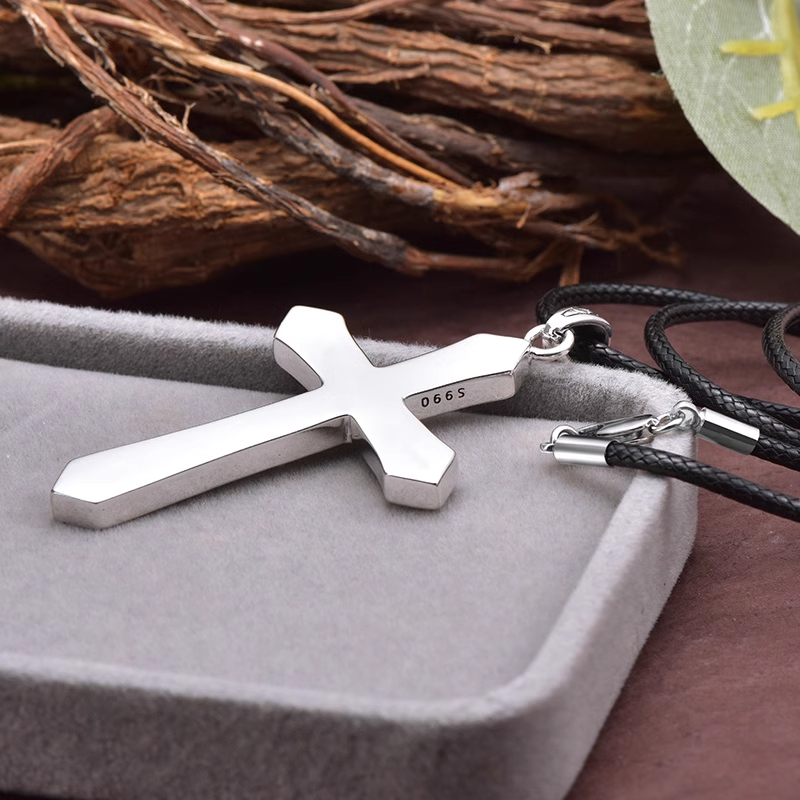
- The Cross Pendant
He is a cross pendant.
He is engraved with a unique Number.
He will mail it out from Jerusalem.
He will be sent to your Side.
Emmanuel
Bible Verses About Welcoming ImmigrantsEmbracing the StrangerAs we journey through life, we often encounter individuals who are not of our nationality......